Top Picks
These are the products we currently recommend, chosen from what we have reviewed across the site. Each pick lists what it is good for and who it suits, so you can match one to your situation rather than defaulting to the cheapest listing.
As an Amazon Associate we earn from qualifying purchases. This does not change what you pay.
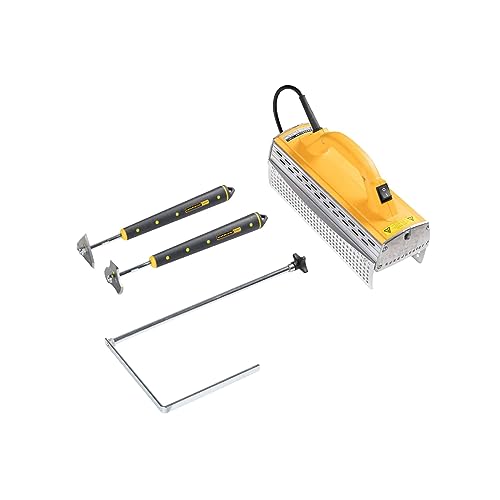
Open-flame torches and high-temperature heat guns vaporize lead; infrared works at a low enough temperature to soften paint without doing that, and it produces chips instead of dust. On woodwork worth saving, it is the difference between abatement and contamination.

A standard shop vac blows the finest lead particles straight out the exhaust and around the room. A true HEPA machine at contractor scale is what makes the difference between removing lead dust and redistributing it, on a job big enough to matter.
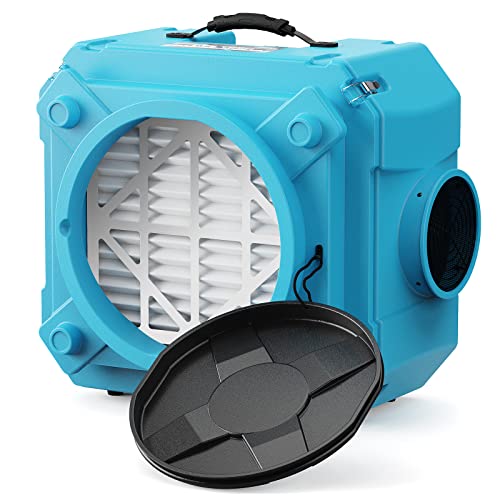
Sealing a room traps dust inside it; an air scrubber pulls filtered air out so the room stays under negative pressure and dust cannot drift into the rest of the house. This is the piece that separates a professional lead job from a careful amateur one.

Eight gallons is the practical size for a room-at-a-time project — big enough for a full day of cleanup, small enough to carry up a staircase. It is the piece most DIY lead projects skip and then regret, because ordinary vacuuming spreads what it picks up.
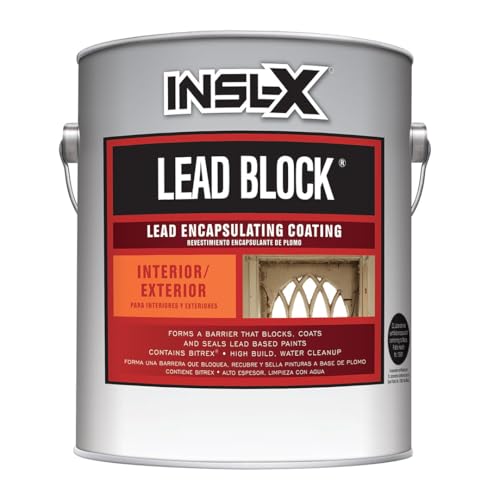
Removing lead paint creates the dust that makes lead paint dangerous. Encapsulation puts a permanent barrier over intact surfaces instead, which is usually the cheaper, safer and faster answer for walls and ceilings that are not chipping.

Ten samples is the difference between testing a room and testing a building. That is the scale a real-estate transaction, a multi-unit rental, or a post-work clearance across several rooms actually needs, and buying them together is far cheaper per sample than one at a time.