The right lead paint approach varies significantly by surface type, more than by overall home architecture style.
- Windows and doors (friction surfaces) often benefit from replacement or abatement over interim controls.
- Exterior surfaces need containment accounting for soil contamination and weather exposure.
- Interior trim in high-impact areas warrants closer deterioration monitoring than flat walls.
- Match your approach to the specific surface’s exposure risk, not a uniform whole-house strategy.
Windows and Doors (Friction Surfaces)
These high-friction surfaces often benefit most from full replacement or professional abatement rather than interim controls, since ongoing use generates dust regardless of paint condition — window replacement can be a dual-benefit project addressing both lead risk and energy efficiency.
Exterior Siding and Trim
Exterior surfaces require containment that accounts for ground-level soil contamination and weather exposure affecting paint deterioration rate — professional abatement is often more practical than DIY for large exterior surface areas given the scale involved.
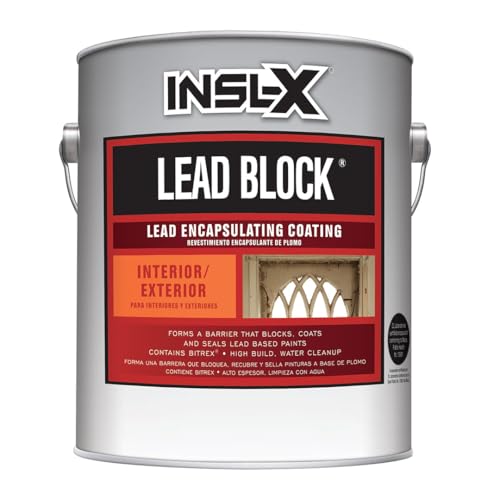
Interior Trim and Baseboards
Interior trim, especially in high-traffic areas prone to impact damage (baseboards near furniture, stair edges), warrants closer monitoring for deterioration than flat wall surfaces less prone to physical impact.

Porches, Stairs and Railings
Exterior circulation surfaces combine every difficulty at once, which is why they deserve separate treatment from both siding and interior trim. Porch decks and stair treads take abrasion from foot traffic, railings and handrails take hand contact at exactly the height a child reaches, and all of it is weather-exposed. Paint on these surfaces fails faster than on a protected wall, and the chips land on ground that gets tracked back inside.
That soil pathway is the part most often missed. Higher soil lead is typically found around the perimeter and dripline of buildings painted with lead-based paint, so a porch repainted for decades sits on top of an accumulated deposit. Containment planning for exterior work has to account for what falls, not only for what is being removed.
Matching the Method to the Surface
Enclosure, encapsulation and removal are not interchangeable, and the surface usually decides which one fits. Enclosure covers the painted surface with a rigid material and suits large flat areas not subject to friction. Encapsulation bonds a coating over the paint and depends on the surface being sound enough to hold it, which rules out anything already flaking or chalking. Removal is the option that ends the question for a component, which is why replacement is so often chosen for windows.
One approach does not qualify as any of them. Painting over lead-based paint with regular paint will not permanently address the hazard; it changes the appearance of the surface while leaving the underlying condition and the friction behaviour exactly as they were. Choosing between the three genuine options is what a risk assessment is for, since it reports both where the lead is and what to do about each location.
FAQ
Should I prioritize window replacement over other lead paint work?
Often a reasonable priority, since windows are high-friction surfaces generating ongoing dust risk, and replacement offers dual benefit with energy efficiency.
Is repainting over lead paint a legitimate approach?
Not as a permanent fix. Painting over lead-based paint with regular paint does not permanently address the hazard, though maintaining sound paint is a reasonable interim control while a surface is genuinely intact.
Why do exterior projects need soil considered as well?
Because paint chips and dust settle. Soil lead is typically higher around the perimeter and dripline of buildings that used lead-based paint, so exterior containment has to account for what falls to the ground.
A professional risk assessment can help prioritize which specific surfaces in your home warrant the most attention.
These statements have not been evaluated by the Food and Drug Administration. This information is not intended to diagnose, treat, cure, or prevent any disease. Content is for informational purposes only and is not medical advice; consult a qualified healthcare provider before starting any supplement. As an Amazon Associate we earn from qualifying purchases.
