If you own a home built before 1978, lead paint is a realistic concern [1]. Knowing which certifications and standards apply to testing and abatement helps you choose qualified professionals and avoid costly mistakes.
This guide walks through the major credentialing programs, the industry standards they reference, and practical steps you can take to verify a contractor’s qualifications before signing a contract.
- Federal RRP certification is the baseline requirement for any firm disturbing pre‑1978 paint.
- Individual inspectors and risk assessors should hold EPA‑accredited Lead Inspector or Risk Assessor credentials.
- Abatement firms need a certified Lead Abatement Firm license plus certified supervisors and workers.
- Product certifications (ASTM, EPA Safer Choice, NIOSH) support but do not replace proper work practices.
Federal and State Regulatory Framework
The Environmental Protection Agency (EPA) administers the Renovation, Repair and Painting (RRP) rule, which requires firms that disturb painted surfaces in pre‑1978 housing to be certified and to follow specific work‑practice standards. Many states have adopted the federal rule and added their own licensing requirements, so the exact rules can vary by location.
In addition to the RRP rule, the Department of Housing and Urban Development (HUD) sets guidelines for lead‑based paint hazard reduction in federally assisted housing. Understanding whether your project falls under federal, state, or local jurisdiction determines which certifications are mandatory versus optional.
Key Certifications for Lead Paint Testing Professionals
The most widely recognized credential for individuals who perform lead inspections or risk assessments is the EPA‑accredited Lead Inspector or Lead Risk Assessor certification. These programs require completion of an approved training course, a written exam, and periodic refresher training to maintain the credential.
Some states issue their own licenses that mirror the EPA curriculum but add a state‑specific exam or background check. When hiring a tester, ask to see the current certificate, the expiration date, and whether the individual is listed on the EPA’s online registry or the equivalent state database.
Standards for Lead Abatement Contractors
Abatement firms must hold an EPA‑certified Lead Abatement Firm license, which authorizes the company to perform removal, enclosure, encapsulation, or replacement of lead‑based paint components. The firm’s supervisors and workers also need individual certifications such as Lead Abatement Supervisor or Lead Abatement Worker.
Work‑practice standards are set by EPA’s RRP regulation (40 CFR Part 745, Subpart E) and by HUD’s Guidelines for the Evaluation and Control of Lead‑Based Paint Hazards in Housing, which is the document most abatement work plans cite. ASTM E1908 is sometimes referenced as well, but only for the disposal step: it covers how to select debris samples for TCLP testing to determine whether the waste is hazardous, not how the abatement itself is carried out. Contractors should be able to reference these documents and explain how their work plan meets the required containment, cleaning, and clearance testing steps.
Product‑Level Certifications for Encapsulants, Removal Chemicals, and Waste Containers
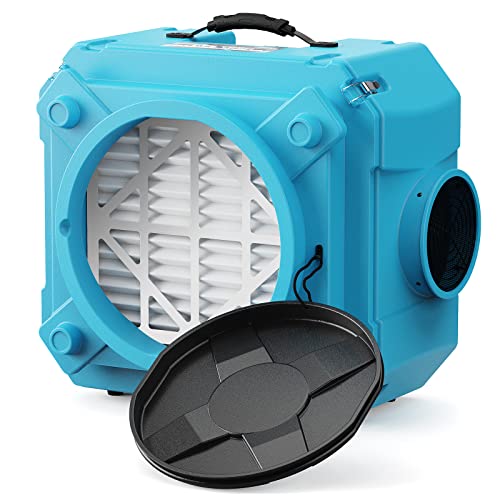
Materials used during abatement — such as encapsulants, chemical strippers, and HEPA‑rated vacuum bags — often carry third‑party certifications. Look for products that meet ASTM E1795 for encapsulant performance, EPA’s Safer Choice label for lower‑toxicity strippers, and NIOSH‑approved respiratory protection for workers.
While a product certification indicates the material meets a performance benchmark, it does not guarantee that the overall project will be safe. Proper application, containment, and post‑work clearance testing remain the responsibility of the certified contractor.

How to Verify Credentials and Ask the Right Questions
Start by requesting copies of all current certifications for the firm and each worker who will be on site. Cross‑check the certification numbers against the EPA’s searchable database or your state’s licensing board. Confirm that the firm carries liability insurance that specifically covers lead‑related work.
Ask the contractor to provide a written work plan that cites the applicable standards (for example EPA’s RRP rule and the HUD Guidelines) and includes a clearance testing protocol. A reputable firm will also outline how they will handle waste disposal, protect occupants during the job, and document the final clearance results.

FAQ
Do I need a certified professional for a small paint‑touch‑up job?
The RRP rule applies to work done for compensation. If you pay a firm to disturb more than six square feet of interior painted surface per room, or more than twenty square feet outside, in a pre‑1978 home, that firm must be EPA lead‑safe certified and must assign a certified renovator. Window replacement and demolition are covered at any size, so a single‑window job counts even though it is under six square feet. The rule does not bind you when you do the work yourself in your own home, unless you rent the home out, operate a child care center in it, or are renovating it to resell. EPA still recommends hiring a certified firm, and lead‑safe work practices plus a clearance test are worth following either way.
What is the difference between a lead inspection and a risk assessment?
A lead inspection identifies the presence and location of lead‑based paint, while a risk assessment evaluates the condition of that paint and the likelihood of exposure, providing recommendations for hazard control.
Can I rely on a product’s ‘lead‑free’ label instead of hiring a certified abatement contractor?
A product label only describes the material’s composition; it does not address the safety of the removal process, containment, or clearance verification. Certified contractors are still required for any abatement that disturbs lead paint.
How often do certifications need to be renewed?
EPA‑accredited individual certifications typically require a refresher course every three years, and firm licenses must be renewed according to state regulations, often annually or biennially.
This article provides general guidance only; it does not replace a site‑specific evaluation. For any project that may disturb lead‑based paint, consult a licensed lead professional and consider professional testing and remediation to protect occupants.
References
- Reduce the Risk of Lead Exposure at Home. U.S. Environmental Protection Agency
These statements have not been evaluated by the Food and Drug Administration. This information is not intended to diagnose, treat, cure, or prevent any disease. Content is for informational purposes only and is not medical advice; consult a qualified healthcare provider before starting any supplement. As an Amazon Associate we earn from qualifying purchases.
