Unlike some hazards where verification is optional or informal, lead abatement clearance testing is often a formal, required step.
- Clearance testing combines visual inspection with dust wipe sampling against federal standards.
- Passing clearance is a formal, precise confirmation, not just a general visual check.
- Keep clearance documentation for future resale disclosure and as confirmation of work performed.
- This formal verification step is more standardized for lead abatement than for some other home hazards.
Understanding Clearance Testing
Clearance examination combines a visual inspection (no visible dust, debris, or paint chips remaining) with dust wipe sampling measured against specific federal clearance levels for floors, window sills, and window troughs.
What Passing Clearance Means
A passed clearance means the specific work area meets federal dust-lead standards for safe reoccupancy — this is a more precise, formal confirmation than the general “looks clean” standard used for less regulated remediation work.

Documentation to Keep
Keep the formal clearance report, since this documentation is valuable for future resale disclosure and confirms the specific scope and success of the work performed.
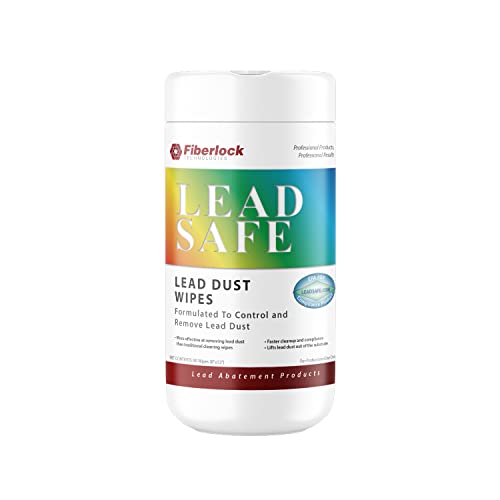
Who Is Allowed to Say It Passed
Verification is not the abatement contractor signing off on their own work. Under the federal work practice standard, the post-abatement procedures shall be performed only by a certified inspector or risk assessor[1]. That separation is the point of the rule, and it is the first thing to confirm when a firm offers to handle clearance in-house.
The Visual Inspection Comes First, and It Can Stop the Clock
The sequence is fixed. Following an abatement, a visual inspection shall be performed to determine if deteriorated painted surfaces or visible amounts of dust, debris or residue are still present, and if any are, those conditions must be eliminated before the post-abatement testing procedures continue[1]. A job that looks unfinished does not get sampled and fail; it gets sent back before sampling starts.
When and How the Dust Samples Are Taken
Timing is specified rather than left to judgement. Dust samples for post-abatement testing shall be taken a minimum of one hour after completion of final post-abatement cleanup activities[1], which allows disturbed dust to settle so the sample reflects what a resident would actually touch. Sampling may use single-surface or composite techniques, and shall be taken using documented methodologies that incorporate adequate quality control procedures[1].
How Many Samples, and From Where
The count depends on whether the work area was contained. After an abatement with containment between abated and unabated areas, one dust sample is taken from one interior window sill and from one window trough if present, one dust sample from the floors of each of no fewer than four rooms, hallways or stairwells inside the containment area, and one from the floor outside the containment area[1]. After an abatement with no containment, two dust samples are taken from each of no fewer than four rooms, hallways or stairwells: one from an interior window sill and window trough if present, and one from the floor[1]. Where a dwelling has fewer than four such spaces, all of them are sampled[1].
The Numbers That Decide Pass or Fail
This is the part most homeowners are never given, and it changed recently. The regulation states that before January 12, 2026 the action levels for lead in dust were 10 micrograms per square foot for floors, 100 for interior window sills and 400 for window troughs, and that on or after January 12, 2026 the action levels are 5 micrograms per square foot for floors, 40 for interior window sills and 100 for window troughs[1]. A report dated after that transition should be read against the lower set.
Failure has a defined consequence rather than a negotiation. The certified inspector or risk assessor compares the residual lead level from each sample against the applicable action level, and if a sample equals or exceeds it, the components represented by that failed sample shall be recleaned and retested[1]. Recleaning and retesting the affected components is the remedy, not a discussion about whether the number was close.
Exterior Work and the Written Report
Outside, the test is visual. Following an exterior paint abatement, all horizontal surfaces in the outdoor living area closest to the abated surface shall be found cleaned of visible dust and debris, and a visual inspection is conducted for paint chips on the dripline or next to the foundation below any exterior surface abated; if chips are present they must be removed from the site and properly disposed of[1]. That dripline check matters beyond compliance, because exterior paint flaking into soil is a route back indoors[2].
Finally, ask for the document. An abatement report shall be prepared by a certified supervisor or project designer and must include the start and completion dates, the name and address of each certified firm and each supervisor, the occupant protection plan, the name, address and signature of each certified risk assessor or inspector who did the post-abatement sampling with the sampling date, the dust-lead testing results and the laboratory that analysed them, and a detailed written description of the abatement[1]. Reports are retained by the firm that prepared them for no fewer than three years and copies provided to the building owner who contracted the work[1].
FAQ
Is clearance testing legally required after lead abatement?
Often yes for certified abatement projects, particularly for target housing (pre-1978 with children present) — check your specific state and local requirements.
What number counts as a pass on a floor today?
Five micrograms per square foot. The regulation sets the action levels on or after January 12, 2026 at 5 for floors, 40 for interior window sills and 100 for window troughs[1].
Can the abatement contractor do the clearance testing?
No. The post-abatement procedures shall be performed only by a certified inspector or risk assessor[1], which is a different role from the certified supervisor running the abatement.
Don’t reoccupy a work area until formal clearance testing confirms it meets federal standards.
References
- 40 CFR 745.227 — Work practice standards for conducting lead-based paint activities: target housing and child-occupied facilities. Electronic Code of Federal Regulations
- Reduce the Risk of Lead Exposure at Home. U.S. Environmental Protection Agency
These statements have not been evaluated by the Food and Drug Administration. This information is not intended to diagnose, treat, cure, or prevent any disease. Content is for informational purposes only and is not medical advice; consult a qualified healthcare provider before starting any supplement. As an Amazon Associate we earn from qualifying purchases.
